Tiki Mugs: History, Styles, Collecting Tips, and How to Use Them


 Locked


Tiki Mugs: History, Styles, Collecting Tips, and How to Use Them
 
|
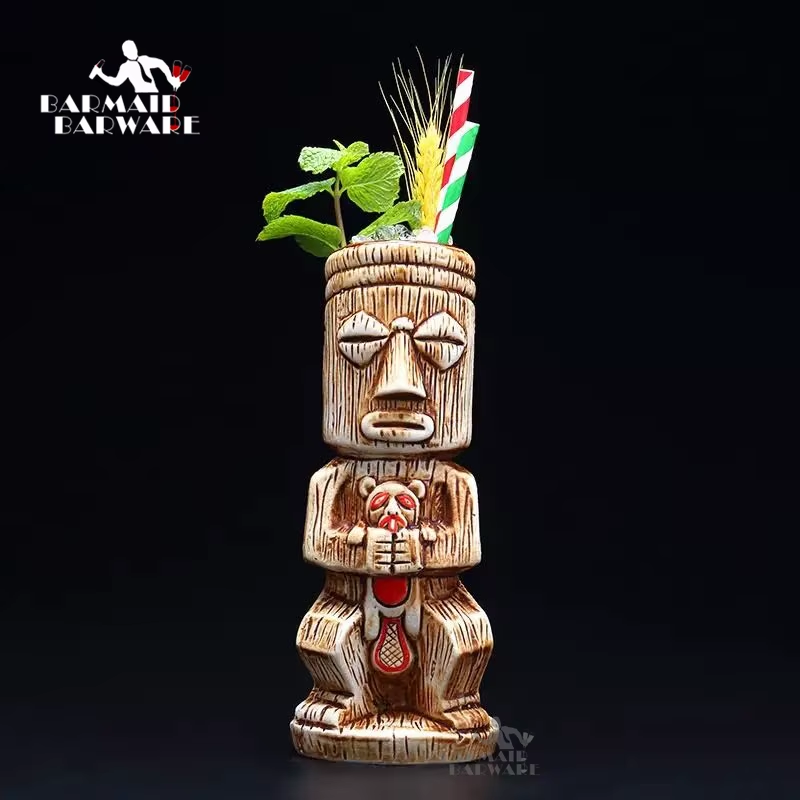 Tiki mugs are more than just fun tropical drinkware—they’re miniature works of art with a rich history, passionate collectors, and a growing presence in home bars around the world. Whether you’re building a Polynesian-inspired tiki bar at home or looking to understand why some ceramic mugs sell for hundreds of dollars, this guide explains everything you need to know About Hawaiiantikimugs. ## What Are Tiki Mugs? Tiki mugs are decorative drink vessels, usually made of ceramic, used to serve tropical and tiki-style cocktails like the Mai Tai, Zombie, and Pina Colada. Characterized by bold designs—often depicting Polynesian gods, island imagery, skulls, or exotic creatures—tiki mugs combine cocktail culture with vintage-inspired art. Common traits include: - Made primarily from ceramic (though glass, metal, and resin versions exist) - Glazed in bright or earthy colors - Sculpted faces, figures, or totems - Often larger than standard cocktail glasses They’re central to the visual identity of tiki bars and play a big role in the immersive, escapist atmosphere these venues aim to create. ## A Brief History of Tiki Mugs ### Origins in Mid-20th Century America Tiki culture as we know it began in the United States between the 1930s and 1960s. After World War II, Americans became fascinated with the South Pacific—driven by returning servicemen, travel posters, Hollywood films, and a desire for escapism. Two key players shaped tiki bar culture: - **Don the Beachcomber (Ernest Raymond Beaumont Gantt)** – Opened in the 1930s in Los Angeles, often credited as the first tiki bar. - **Trader Vic’s (Victor Bergeron)** – Helped popularize tropical cocktails and cement tiki as a nationwide craze. Early tiki bars served potent rum cocktails in standard glassware or simpler ceramic cups. By the 1950s and 1960s, custom sculpted tiki mugs became common, with bars commissioning branded mugs and designs to stand out. ### Decline and Tiki Revival By the late 1970s and 1980s, tiki culture faded as tastes changed. Many original bars closed, and tiki mugs became thrift store curiosities. In the 1990s and 2000s, a major **tiki revival** began: - Classic cocktail culture returned, with bartenders rediscovering original tiki recipes. - Collectors started hunting for vintage tiki mugs. - New tiki bars opened, often emphasizing authenticity and craft cocktails. Today, tiki mugs are produced in limited editions by artists, small studios, and brands around the world, contributing to an active collector and enthusiast market. ## Popular Types and Styles of Tiki Mugs Tiki mugs come in a wide range of looks. Some of the most popular categories include:https://hawaiiantikimugs.com/shop/<br> ### 1. Classic Polynesian-Inspired Mugs These feature stylized faces and figures inspired by traditional Polynesian and Oceanic art—such as Maori-influenced masks or Easter Island–style heads. While visually influenced by these cultures, they are largely Western pop-art interpretations rather than authentic cultural artifacts. Typical traits: - Totem-like vertical designs - Carved-looking features - Earthy brown, green, or blue glazes ### 2. Character and Pop Culture Mugs Modern tiki mugs frequently pay tribute to: - Vintage movie monsters - Pirates and sailors - Mermaids and sea creatures - Cartoon-style characters - Licensed properties (theme parks, horror films, sci-fi, etc.) 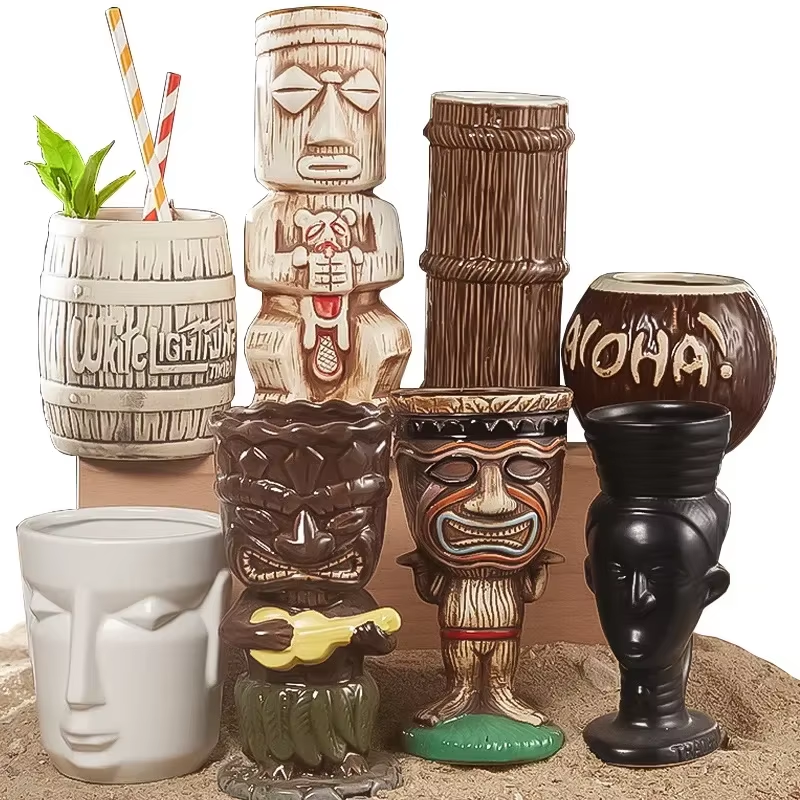 These mugs often appear as limited editions released through collaborations between tiki artists, bars, and brands. ### 3. Skull and Nautical Mugs Another classic tiki sub-style centers on: - Skull-shaped mugs - Shipwreck or sunken treasure themes - Nautical icons like anchors, octopi, and ship wheels These pair particularly well with rum-heavy or “dangerous” cocktails like Zombies or Navy Grog. ### 4. Barrel, Coconut, and Volcano Mugs Some tiki mugs mimic containers or natural forms rather than faces: - **Barrel mugs** – Look like wooden rum barrels - **Coconut mugs** – Shaped like coconuts, often with textured shells - **Volcano mugs** – Multi-person bowls with a volcano in the middle for flaming garnishes These designs are common for shareable or theatrical cocktails. ### 5. Custom and Artist-Made Mugs Independent artists and studios create limited runs—often numbered and signed. These art-focused mugs tend to be: - Highly detailed and sculptural - Produced in small quantities - Sold directly to collectors or through preorders These pieces bridge the gap between drinkware and collectible ceramic art. ## What Makes Tiki Bar Mugs Collectible? Not all tiki mugs are equal in value. Collectors consider several factors: ### Age and Rarity - **Vintage mugs** from mid-century tiki bars, cruise lines, and restaurants are highly sought after. - Limited-edition modern releases (sometimes only 50–500 pieces) can gain value quickly. Rarer items from closed bars or short-lived venues can become “grail” pieces. ### Condition Collectors look for: - No chips, cracks, or repairs - Original glaze intact with minimal crazing (fine surface cracks in the glaze) - Crisp details in the sculpt Boxes, certificates, and original drink menus can add value. ### Maker and Provenance Certain names and marks increase desirability: - Vintage manufacturers (like OMC, Orchids of Hawaii, Treasure Craft) - Renowned modern artists and studios - Mugs associated with famous bars (Trader Vic’s, Mai-Kai, Smuggler’s Cove, etc.) Backstamps, labels, or signatures help verify authenticity and origin. ### Design Quality Unique, imaginative, and well-executed designs are more collectible than generic shapes. Intricate sculpts, layered glazes, and strong character concepts tend to be more in demand. ## How to Start Collecting Tiki Mugs You don’t need a huge budget to begin a tiki mug collection. Here’s how to get started thoughtfully. ### 1. Define Your Focus Decide what excites you most: - Vintage mugs from original tiki bars - Modern artist-designed pieces - One theme (skulls, monsters, Polynesian-inspired, nautical) - Mugs from places you’ve visited Having a focus helps you curate rather than accumulate randomly. ### 2. Learn to Spot Reproductions Some popular vintage designs are heavily reproduced. To avoid confusion: - Compare markings on the bottom of the mug - Look at glaze quality and weight (repros may feel lighter or cheaper) - Research common fakes or reissues of well-known designs Online tiki communities and databases (like user-run mug catalogs) can be valuable resources. ### 3. Where to Buy Tiki Mugs You can find tiki mugs in: - Tiki bars and restaurants (often selling branded mugs) - Online marketplaces (eBay, Etsy, specialty tiki shops) - Artist websites and pre-sale drops - Thrift stores, flea markets, and estate sales (especially for vintage finds) - Conventions and tiki events Always ask for clear photos (including the bottom) and descriptions if buying online. ### 4. Set a Budget Prices vary widely: - Mass-produced modern mugs: relatively affordable - Limited-run artist mugs: moderate to high - Rare vintage or “grail” pieces: can be significantly more Decide what you’re comfortable spending before chasing limited releases or bidding wars. ## How to Care for Tiki Glass Mug Proper care protects both appearance and value. ### Cleaning - Hand-wash with mild dish soap and warm water. - Avoid abrasive scrubbers that can scratch the glaze. - Do not put vintage or hand-painted mugs in the dishwasher. ### Temperature and Use - Avoid extreme temperature changes (freezer to hot liquid) to prevent cracking. - Many mugs are not microwave safe—especially those with metallic accents or detailed glazes. ### Display and Storage - Display on sturdy shelves away from edges and high-traffic areas. - Use shelf liners, museum putty, or plate stands for stability. - Keep away from direct sunlight if you’re worried about fading or heat exposure. ## How to Use Tiki Mugs in Your Home Bar Tiki mugs shine when paired with tropical cocktails and immersive décor. ### Choosing the Right Drink for the Right Mug While you can pour any beverage into a tiki mug, certain pairings are classic: - Tall mugs for Zombies, Navy Grog, and other long drinks - Large bowls or volcano mugs for shareable cocktails - Skull or “spooky” mugs for strong, punchy rum drinks - Coconut or barrel mugs for creamy or coconut-based cocktails The visual impact is part of the experience; matching mug and drink style elevates presentation. ### Essential Tiki Cocktails Popular drinks often served in tiki mugs include: - Mai Tai - Zombie - Painkiller - Navy Grog - Scorpion - Jungle Bird Even a simple rum punch can feel special when served in a well-chosen mug with crushed ice and garnish. ### Garnish and Presentation Dress up tiki mugs with: - Crushed or pebble ice - Fresh mint sprigs - Pineapple wedges and leaves - Citrus wheels or spirals - Edible flowers - Paper parasols, swizzle sticks, and bamboo straws - Tiki Coffee Mug For special occasions (and with proper safety precautions), some bars use overproof rum and fire in volcano mugs or hollowed fruit, though open flame should always be handled carefully and responsibly. ## Cultural Context and Respect Tiki style draws heavily—though often loosely—from Polynesian and Oceanic aesthetics. Modern enthusiasts and creators increasingly emphasize: - Respecting the cultures that inspired tiki design - Acknowledging that classic tiki is a Western pop interpretation, not authentic Polynesian tradition - Supporting Pacific Islander artists and businesses when possible Approach tiki as vintage Americana and escapist décor, not as an accurate representation of any specific culture. ## Tiki Mugs as Decor Even if you never mix a cocktail, tiki mugs make eye-catching decor: - Arrange several on a dedicated shelf or bar cart. - Mix them with tropical plants, bamboo accents, and rattan furniture. - Use larger mugs as small vases or utensil holders (if not rare vintage pieces). Their colorful and eccentric designs add character to home bars, lounges, patios, and entertainment spaces. ## Conclusion Tiki mugs sit at the crossroads of cocktail culture, mid-century nostalgia, and ceramic art. From affordable modern pieces to rare vintage treasures, they offer endless variety for collectors and casual fans alike. By understanding their history, styles, and care, you can: - Build a collection that reflects your taste - Elevate your tropical cocktails with memorable presentation - Enjoy a piece of living bar culture history at home 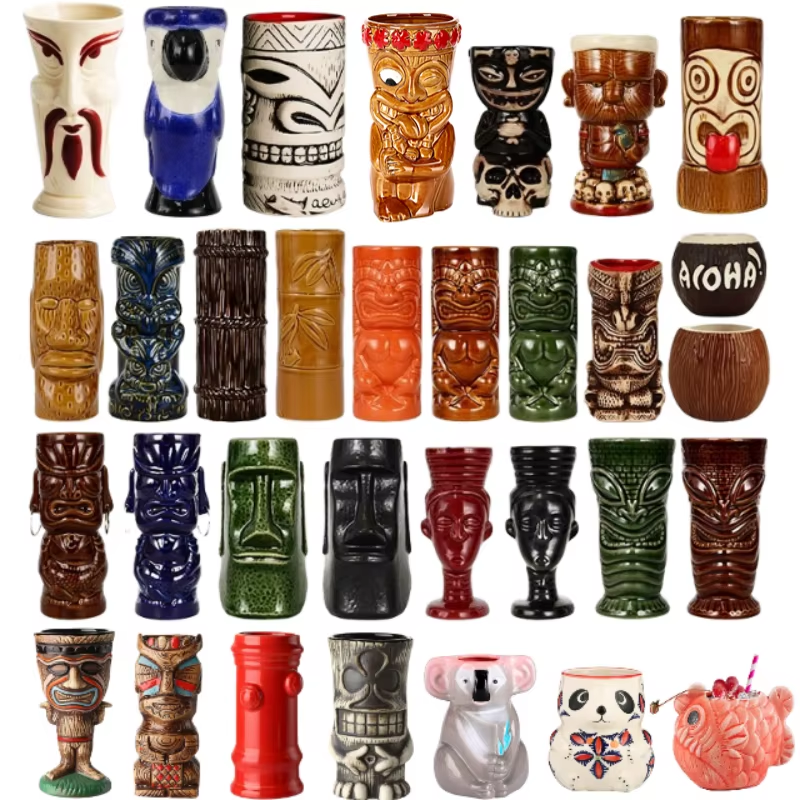 Whether you’re setting up a full tiki bar or simply adding a few characterful mugs to your glassware, Tiki Mugs bring color, fun, and a sense of escape to any drink. |
«
Return to Mikraite
|
1 view|%1 views
| Free forum by Nabble | Edit this page |